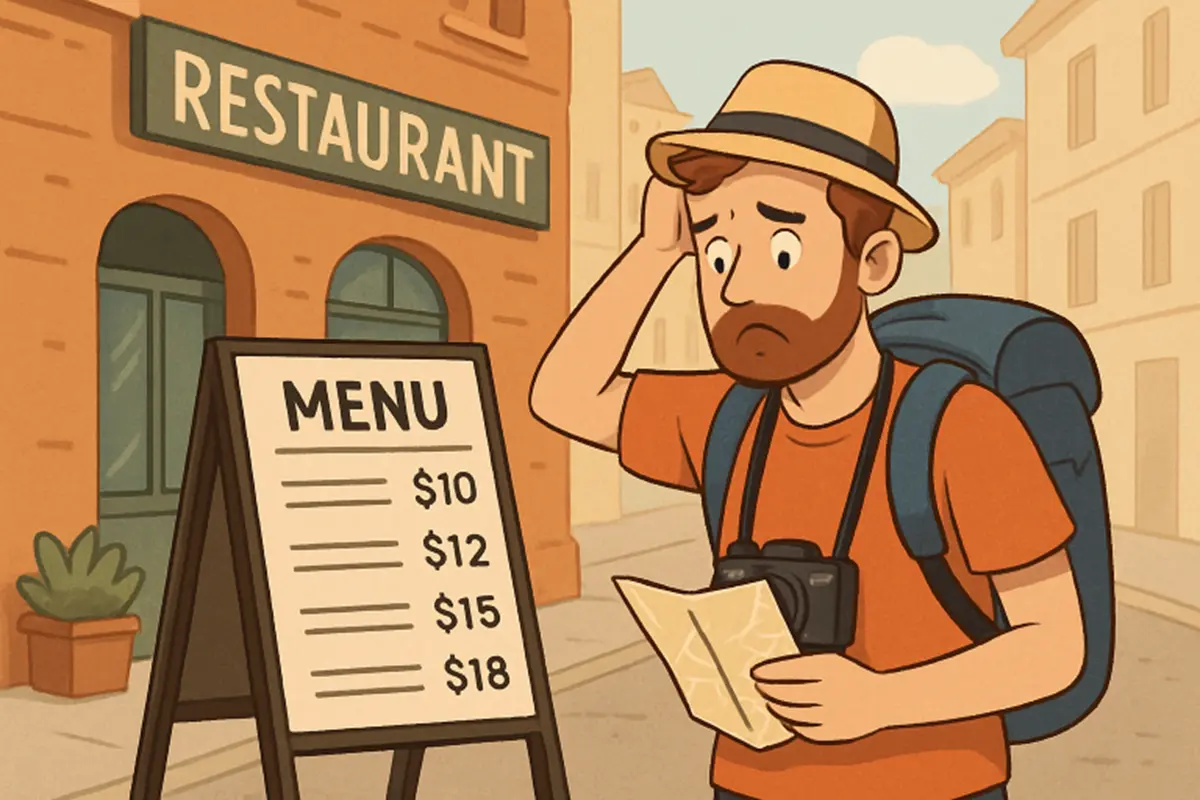
Traveling is a great way to experience new cultures and enjoy exciting foods. However, even careful explorers can fall prey to food scams that spoil the trip and threaten safety. Being alert to these scams is vital for safe, enjoyable travel. Criminals often exploit tourists’ unfamiliarity with local languages, customs, and prices. Recognizing and avoiding common food scams keeps adventures safe and memorable. This guide outlines frequent scams, offers protective steps, and provides tips to stay aware of evolving risks in the global food industry.
Inflated Menu Prices
In popular destinations, restaurants may offer foreign patrons menus with higher prices to exploit travelers’ limited knowledge of currency and local standards. As Claudette Schwartz notes, a smart way to avoid overcharging is to politely ask for a menu in the local language, which usually shows standard prices. Before eating, compare prices at nearby restaurants or use trusted food apps for average costs. This scam is common near landmarks, but checking online or using price comparison apps can help you sidestep unnecessary expenses.
The “Closed” Restaurant Scam
A common scam involves a local claiming your chosen restaurant is “closed for renovations” or “no longer in business,” guiding you to a pricier or kickback-linked place. This trick works well in busy tourist areas or where language barriers exist. Always verify by calling the restaurant or checking their website and social media. Hours. If approached, thank the person and confidently proceed. Don’t be swayed by persistent suggestions; scammers target tourists’ uncertainty.
Fake Food Delivery Flyers
Hotel guests face scams with counterfeit menus left at doors or reception. Travelers call to order using these menus, share credit card info, but don’t get their meals, risking financial theft. To avoid this, use reputable delivery services or contact restaurants directly with verified reviews and contact details. Hotel staff can also recommend trusted local restaurants and delivery options.
Street Food Overcharging
Street food is often one of the most rewarding—and affordable—ways to experience new flavors. Yet tourists are easy prey for vendors who inflate prices or invent “tourist taxes.” Before purchasing, watch how locals interact and what they pay. If you notice a menu item, point to the price or show the exact change. Agree on costs before orders are placed, and always use small bills to reduce the likelihood of “no change” scams.
Hidden Cover Charges
Some restaurants, especially in Europe and major cities worldwide, charge hidden fees for bread, water, or table service—sometimes without prior disclosure. Be direct: Ask whether there are extra charges associated with your order. On receiving the bill, carefully inspect each line item. If you find an unfamiliar charge, politely contest it—establishments often remove unexpected fees if questioned in front of other prospective diners.
Protecting Yourself from Food Scams
Being an informed and cautious traveler significantly reduces exposure to food-related scams. Research your dining choices through top-rated review websites or official tourism boards. Be wary of anyone offering unsolicited advice, especially if they appear overzealous about one particular venue. Keep bags and valuables close, as busy eateries can also be prime sites for pickpocketing. Trust your instincts—consider moving on if something feels off about a situation or price. Scammers rely on confusion and embarrassment; clarity and confidence are your best tools for avoidance.
Conclusion
Food is one of the best ways to experience a new culture, but scams can quickly turn a memorable meal into a frustrating ordeal. By staying alert, asking the right questions, and relying on reputable sources, travelers can enjoy authentic dining experiences without falling victim to inflated prices or hidden tricks. Awareness and preparation safeguard your wallet and allow you to savor each destination’s cuisine with confidence and peace of mind.
Also Read-Tips to Handle Major Life Events with Confidence
