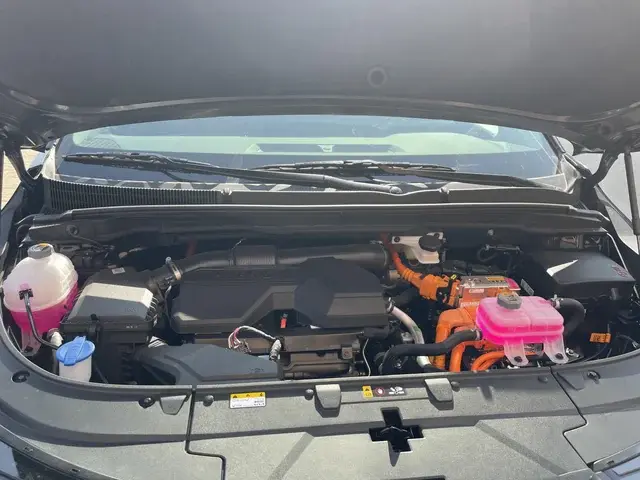
Keeping your vehicle reliable for years to come is not luck. It is the result of proactive care, attentive driving, and smart maintenance habits. By following recommended practices and staying ahead of potential issues, you can dramatically increase your car’s longevity and retain its value over time. For expert advice on keeping your vehicle in top condition, learn more.
Whether you drive a brand-new model or an older favorite, adopting a routine of regular check-ups and practical habits will pay off with fewer breakdowns and a smoother, safer ride. The following strategies address all key areas of vehicle care so you can drive with confidence across every season and every mile.
Adhere to a Regular Maintenance Schedule
Sticking to your manufacturer’s maintenance routine is the smartest way to keep your vehicle dependable. Scheduled service visits often include inspections, oil changes, filter replacements, and checks of all major systems. For example, timely oil changes protect the engine from harmful sludge and reduce wear. Missing or delaying these tasks can leave your car vulnerable to costly breakdowns and even cause engine failure.
Record your maintenance dates, keep receipts for warranty purposes, and never ignore a recommended service interval. Preventive care is far less costly than major repairs and helps your car retain higher resale value.
Monitor and Replace Essential Fluids
Fluids are critical for vehicle operation. Key fluids include brake fluid, which should be replaced every two years due to moisture absorption; coolant, which prevents overheating; and transmission, power steering, and differential fluids, which require regular checks. Monitoring these can help identify leaks or contamination, thereby avoiding costly repairs and extending the lifespan of critical vehicle components.
Ensure Proper Tire Care
Tires play a critical role in vehicle safety, performance, and fuel efficiency. To maintain optimal function, it is recommended to rotate tires every 7,500 miles or every 6 months, ensuring even wear and minimizing costly replacements. Additionally, scheduling an alignment annually is crucial, particularly if there are symptoms like vibrations or the car veering to one side. This alignment process is vital for synchronizing the suspension and tires, thereby enhancing driving safety. Maintaining tires at the manufacturer’s suggested PSI is also essential, as it helps prevent blowouts and maximizes gas mileage.
Protect Your Vehicle from Environmental Factors
Weather and environmental exposure can quickly degrade your vehicle’s exterior, reducing value and inviting long-term problems like rust. Wash your car regularly, especially after exposure to road salt, tree sap, or bird droppings. A round of waxing every one to three months helps protect your vehicle’s finish from rain, sun, and dirt, preserving its finish.
- Regular Washing and Waxing: Protects paintwork and helps prevent corrosion.
- Undercarriage Cleaning: Vital in winter to remove salt that accumulates under the car and causes rust.
These actions will maintain your car’s body integrity and keep it looking sharp year-round.
Adopt Mindful Driving Habits
Your style behind the wheel plays just as important a role as what happens under the hood. Aggressive driving, such as hard braking, sudden starts, or cornering at high speed, leads to excessive wear on your engine, brakes, and suspension.
- Gentle Acceleration and Braking: Reduces stress on moving parts and boosts component life.
- Minimize Short Trips: Frequent, quick drives prevent the engine from reaching operating temperature, increasing fuel and oil consumption, and accelerating wear.
Consider planning trips to run multiple errands at once, or opt for walking or cycling for short distances when possible. Stress-free driving is also safer for you and others sharing the road. More on how your driving habits affect your car can be found on Kelley Blue Book.
Keep the Battery in Check
A healthy battery is a cornerstone of dependable vehicle operation. Inspect your battery monthly for signs of corrosion on terminals, clean connections as needed, and test its voltage to catch problems before they leave you stranded. The American Automobile Association (AAA) recently shared that millions of drivers experience battery-related issues each year, which can often be prevented through regular upkeep. If your car will be parked for an extended period, consider using a battery maintainer to preserve its charge.
Replace Filters Timely
Filters keep harmful debris out of your car’s sensitive systems:
- Engine Air Filter: Change it every 10,000 to 15,000 kilometers, or sooner if driving in dusty conditions, to ensure your engine receives clean air for combustion.
- Cabin Air Filter: Replacing this filter regularly ensures fresh air in the car and maintains the efficiency of your climate control system.
Failing to replace filters can compromise engine performance and passenger air quality. Consult your owner’s manual for exact intervals.
Listen to Your Vehicle
Unusual sounds, vibrations, or warning lights should never be ignored. Address problems promptly to save money, as ignoring a “check engine” light can cause major damage. Responding to signals is smart, as early issues are often minor but can worsen if ignored. Following maintenance guidelines ensures a reliable, smooth vehicle and peace of mind. Routine care is easier and cheaper than repairs or replacements. Prioritize upkeep for long-lasting dependability.
Conclusion
Keeping your vehicle dependable depends on consistency and awareness. Follow your maintenance schedule, monitor fluids, care for tires, and replace filters timely to prevent wear and costly breakdowns. Preventive maintenance protects parts like the engine and transmission and maintains resale value. Mindful driving and recognizing early signs are crucial. Gentle acceleration, proper battery care—highlighted by AAA—and quick action on unusual noises or alerts can prevent costly repairs. Resources like Kelley Blue Book emphasize that proactive care reduces costs. Reliable transportation results from steady, responsible upkeep rather than one major repair. Prioritizing routine maintenance and attentive care ensures smoother drives, increased safety, and peace of mind.
Also Read
- Why Tech-Savvy Designers Are Turning to Virtual Tools for Better Results
- How the Right CPA Business Accounting Firm Can Help Your Business Thrive
- Roof Anchor Point: The Simple Device That Can Save a Life
