Foundation issues tend to whisper before they shout. A small crack here, a slightly uneven floor there, and before long, a home starts sending signals that something deeper is shifting below the surface. The challenge for most homeowners is figuring out which signs are harmless aging and which ones are warning lights that need professional attention. Knowing when to bring in foundation repair contractors is the difference between a simple fix and a costly structural overhaul.
This is why many homeowners eventually turn to trustworthy professionals, such as foundation repair contractors chicago when early symptoms appear. A contractor knows exactly how to read the clues your home is giving, but you can recognize many of those clues yourself long before calling for help.
Small Cracks Versus Structural Cracks
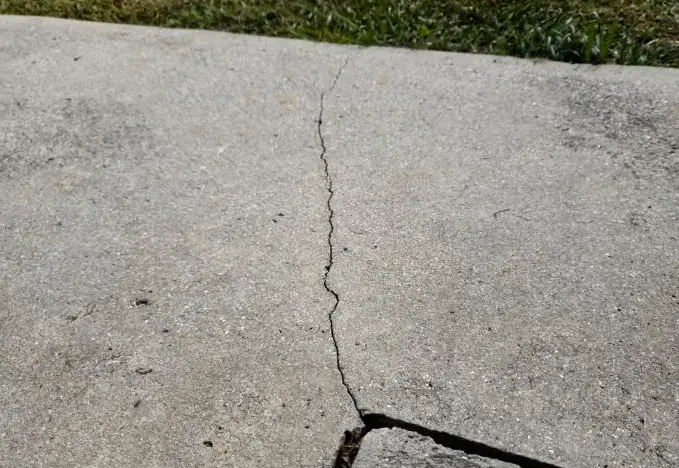
Not every crack in a home means trouble. Concrete naturally forms small surface cracks as it cures, especially in newer homes. These small hairline cracks tend to be thin and predictable. They do not spread or cross multiple walls.
Structural cracks behave differently. These are the cracks that make contractors raise an eyebrow. They are wider, run in jagged directions, widen over time, or appear on both interior and exterior surfaces. Horizontal cracks in particular tend to indicate pressure from soil movement, which is one of the most serious conditions a foundation can face.
When cracks begin to change in size or shape, foundation repair contractors should get involved.
Doors and Windows That Suddenly Do Not Work Right
If a door once closed smoothly but now scrapes against the frame or refuses to latch, the home may be experiencing structural shifts. The same goes for windows that stick, slide unevenly, or tilt in their tracks. Homeowners sometimes blame humidity or old wood, but when several doors or windows begin misbehaving at the same time, the foundation may be moving.
Movement in the foundation alters the home’s geometry, affecting the positioning of doors and windows within their frames. This is a classic sign professionals look for when diagnosing underlying settlement or sinking.
Floors That Sag, Bounce, or Tilt
Floors reveal problems long before walls do. A slightly sloping living room or a bedroom with a soft spot may indicate that the support beneath the flooring is losing stability. In homes with crawl spaces, a shifting foundation can compromise the integrity of beams or footings. In slab-on-grade homes, soil settlement beneath the slab can cause dips or uneven slab movement.
If you notice furniture leaning, objects rolling on their own, or a bounce that was not there before, it may be time to get foundation repair contractors involved.
Gaps Around Frames or Exterior Trim
Homes rely on consistent load distribution. When the foundation shifts, the trim pieces around windows, doors, siding, and even brick lines begin to separate. You might see a small daylight gap where the trim once sat flush. These gaps often appear before a homeowner notices any interior cracks.
Contractors pay close attention to these small separations because they indicate that the home has moved enough to pull away from its original alignment.
Water Intrusion or Moisture in the Basement
Water intrusion is one of the earliest indicators of foundation issues. When the soil around a home shifts, it changes the path water takes through the ground. That water will find new ways toward the foundation, sometimes entering through cracks or weakened areas.
A damp basement, new musty smells, or water pooling along baseboards can signal foundation stress. The moisture itself is a problem, but it is also a clue that the foundation is no longer sealed or stable the way it should be.
Bowing or Leaning Walls
This is one of the clearest signs that foundation repair contractors are needed immediately. When soil expands or hydrostatic pressure increases, the walls of a basement or crawl space can bow inward. This type of movement is more than a cosmetic issue. It signals that the wall’s structural integrity is weakening.
A bowing wall will not correct itself on its own. Contractors must stabilize it to prevent further inward movement and reduce the risk of collapse.
Repeated Problems in the Same Area
A foundation that shifts tends to create recurring symptoms. A crack repaired once may reopen. A door rehung to fix alignment may fall out of square again. Flooring that was leveled may slowly sink in the same area.
When the same issue keeps recurring, it usually means the root cause lies in the foundation, not in surface repairs.
When to Call Foundation Repair Contractors
There is a point at which guessing becomes riskier than consulting a professional. Bring in foundation repair contractors when:
• Cracks widen over time
• Doors and windows shift in several rooms
• Floors slope noticeably
• Trim or framing begins separating
• Water intrusion becomes recurring
• Walls show bowing or inward pressure
• Repairs stop lasting
Contractors can determine whether the issue is surface-level or structural and provide a plan to stop further movement. Early intervention almost always saves time and money.
Conclusion
The ideal waterproofing method varies by property, yet exterior membrane systems remain the most reliable and durable option. They provide long-term protection, work seamlessly with drainage solutions, and prevent water from becoming a threat. Whether a homeowner selects exterior defense or an interior control approach, proper installation remains the key to lasting performance. Many homeowners seeking dependable results rely on Chicago Foundation Repair Experts for guidance and professional waterproofing solutions.
Also Read-Key Considerations When Touring a Home
