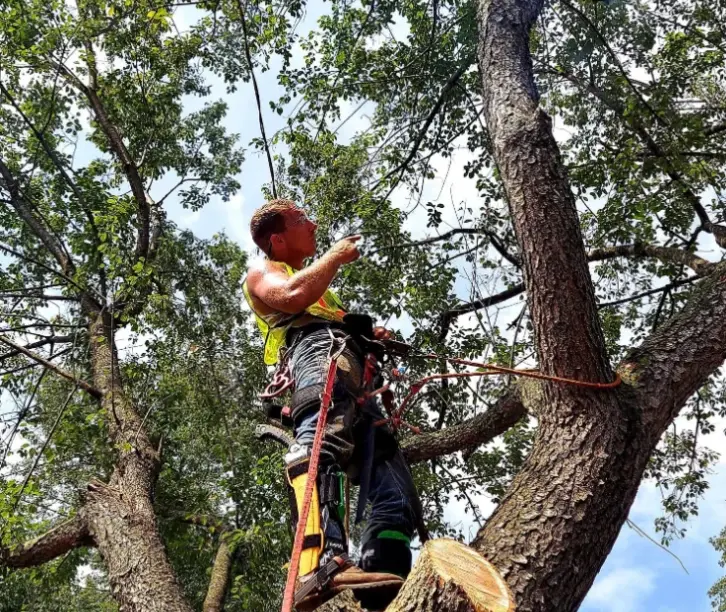
Tree trimming seems simple at a glance. Grab a saw, take a few branches off, and call it a day. But the truth is that trees behave differently throughout the year, and the season you choose can influence how well they grow, how healthy they stay, and how safe your property remains. Timing shapes everything in tree care. When trimming occurs at the right time, the tree responds with healthier growth and a stronger structure. When trimming is mistimed, the tree can weaken, attract pests, or decline in health.
Many homeowners begin exploring local services such as tree trimming springfield, MO, when the branches start to hang too low or the tree threatens nearby structures. While professional help makes the job much easier, knowing the right season to trim creates better long-term results. Trees operate on natural cycles of growth, rest, and recovery, so timing is more than a convenience. It is a biology-driven strategy that protects the tree and your property.
Why Winter Is Often the Best Season for Tree Trimming
Winter is one of the most recommended seasons for tree trimming. During the coldest months, trees enter a dormant state. Growth slows, energy use drops, and the tree focuses entirely on conserving resources. This resting period allows trimming to be done with minimal stress. Without leaves, branches become easier to see and evaluate, which helps professionals locate weak points, diseased limbs, or overcrowded areas more accurately.
Another advantage of winter trimming is the reduced risk of pests and diseases. Many insects and fungal organisms are inactive during this season. When fresh cuts are made, the tree is far less likely to attract unwanted invaders. Trimming in winter also encourages stronger growth in spring. Once warmer temperatures arrive, the tree wakes up and directs energy toward the newly formed structure, producing healthier, more balanced branches.
Why Early Spring Can Still Be a Good Trimming Window
Early spring is a good time for trimming, as long as it is done before heavy growth begins. Trees start to push out buds during this time, and light trimming encourages better shape and structure for the upcoming season. Early spring is especially helpful for fruit trees. Trimming at this time improves fruit production, removes unproductive branches, and prepares the tree for a healthy growing cycle.
However, timing in the spring must be precise. Once the leaves fully open, the tree becomes busy producing energy. Heavy trimming during peak growth can cause unnecessary stress because the tree is already using significant resources. Light shaping can work, but large cuts are better handled in winter or early spring before buds fully develop.
Why Summer Trimming Requires Careful Planning
Summer trimming is possible, but it must be done strategically. Trees are actively growing, producing energy, and balancing moisture levels. Trimming in midsummer can help slow overly vigorous growth or manage branches that block sunlight from gardens or lawns. It is also useful for removing branches damaged by storms, as summer storms can break weak limbs or create hazardous conditions.
The drawback of summer trimming is that the tree loses leaves that are actively supporting growth. Removing too many branches can interrupt natural energy production. Trees can become stressed, making them more vulnerable to pests during a season when insects are most active. Summer trimming should focus on small corrective cuts or storm damage rather than major shaping.
Why Fall Is the Least Ideal Season for Tree Trimming
Fall is often the worst season for tree trimming. Although the cooler weather might seem like the perfect time for yard work, trees are entering another transition period. As they prepare for winter dormancy, their energy shifts toward nutrient storage. Cutting branches during this time disrupts that process. Trees become more vulnerable to decay and may not have the strength to seal wounds before temperatures begin to drop.
Another problem is the increased fungal activity in the fall. When fresh cuts are made, fungal spores easily enter the exposed areas. This can lead to long-term damage or slow decline. Fall is better suited for observation. Homeowners can check for weak or diseased branches and then plan trimming for winter when the tree is fully dormant.
Signs That Help Determine the Best Time to Trim
Although seasonal guidelines offer strong direction, the tree itself often gives clues about when trimming is needed. Broken branches, visible cracks, or limbs rubbing together should be addressed as soon as possible. Safety always takes precedence over seasonal preferences when a branch poses a threat to property, power lines, or people. Emergency trimming does not follow the calendar because hazards do not wait for ideal conditions.
For general maintenance, observe how the tree behaves throughout the year. Branches that become too heavy, cross over each other, or block sunlight for plants below will eventually need trimming. Seasonal timing can be used to schedule this work in a way that improves tree health instead of interrupting natural cycles.
When to Call a Professional
Tree trimming may look simple, but it often requires specialized knowledge. Trees near homes, power lines, fences, or sheds need careful handling to avoid damage. Large limbs demand proper equipment to prevent injury. Improper cuts at the wrong time of year can permanently weaken a tree, leading to costly removal later.
Conclusion
Tree trimming is more than a routine chore. It is a seasonal event that works best when timed to the tree’s natural rhythm. Winter and early spring offer the greatest benefits, summer requires caution, and fall is usually the season to avoid. When trimming is done at the right time, trees grow stronger, live longer, and add value to the home. When the timing is wrong, the tree can become stressed or vulnerable to pests. Springfield Tree Trimming & Removal Service continues to emphasize the importance of proper timing, helping homeowners care for their trees to promote long-term health and safety.
Also Read
- Why Tech-Savvy Designers Are Turning to Virtual Tools for Better Results
- Ways to Use Custom Challenge Coins in Everyday Life
- Who Reads the Prayers of the Faithful at a Funeral