Air conditioning systems work hard every year to keep indoor spaces comfortable, and with constant use, they inevitably experience wear and tear. Some problems are minor and inexpensive to fix, but others can quickly turn into the kind of repair bill no homeowner wants to face. Among all the issues an AC system can experience, one repair stands out as the most expensive. Understanding what it is, why it happens, and what you can do to avoid it can save you stress, money, and discomfort during the hottest months of the year.
Many homeowners turn to trusted local experts for air conditioning repair Rhode Island when early symptoms begin showing. Professional help becomes even more important once the system shows signs of internal strain, especially since some issues progress quietly long before a breakdown. Knowing the main causes of the costliest repairs helps you stay ahead of trouble.
The Most Expensive AC Repair: Compressor Failure
The compressor is often called the heart of the AC system because it powers the entire cooling process. It pressurizes and circulates refrigerant through the coils, removing heat from your home. When the compressor fails, the whole system ceases to function. Because it is such an essential component, replacing it is the most expensive air conditioning repair a homeowner can face.
A failing compressor cannot be internally patched or repaired. In most cases, the only solution is to replace the old unit with a new one. The cost of a new compressor is high enough that many homeowners find themselves deciding between replacing the compressor and installing a new air conditioning system. That choice depends on the system’s age, the reliability of other components, and whether the unit is still under warranty.
Why Compressors Fail
Compressor failure rarely happens suddenly. Most failures result from ongoing strain or issues that have gone unnoticed for an extended period. Here are the most common causes.
Low Refrigerant
Refrigerant leaks are one of the biggest threats to a compressor. When refrigerant levels drop, the system cannot cool properly. The compressor works harder and runs longer, which leads to overheating and eventual breakdown.
Electrical Problems
Loose wiring, failing capacitors, or voltage issues cause the compressor to struggle during startup. Over time, this constant difficulty shortens its lifespan.
Dirty Condenser Coils
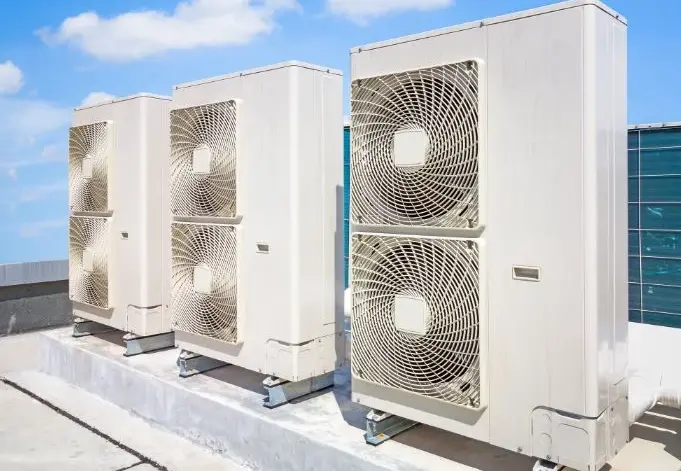
When the outdoor condenser coil is covered in dirt or debris, the system cannot effectively remove heat. This forces the compressor to run longer and at higher temperatures, leading to premature failure.
Blocked Airflow
Clogged filters, obstructed ducts, or blocked return vents restrict airflow through the system. High pressure and overheating quickly put the compressor under stress.
Natural Wear
Even well-maintained compressors eventually wear down. Most last between ten and fifteen years. Once the system reaches that age, replacement becomes more likely.
When Repairing the Compressor Makes Sense
There are situations where repairing the compressor is the correct decision. If the system is newer and still under warranty, replacing the compressor may be the most affordable option. Warranty coverage can significantly reduce costs.
If the rest of the system is in excellent condition and no other major repairs have been required recently, replacing the compressor alone may extend the unit’s reliable operation by several more years.
However, if the AC system is older or showing signs of decline, investing in a new compressor may not be the most cost-effective choice. A complete system replacement often delivers improved performance, increased efficiency, and fewer service calls.
How to Avoid Compressor Failure
The good news is that compressor failure is often preventable. Proper care and early attention to warning signs make a significant difference in system longevity.
Schedule Annual Tune Ups
Routine service is the most reliable way to catch refrigerant leaks, electrical issues, dirty coils, or weak airflow before they damage the compressor. Professional inspections enhance efficiency and prolong the lifespan of the entire system.
Replace Filters Regularly
A clean filter allows proper ventilation through the system. Restricted airflow forces the compressor to work harder, increasing the risk of overheating.
Keep the Outdoor Unit Clean
Leaves, weeds, and debris around the outdoor condenser trap heat inside the system. Clearing the area and gently rinsing the coil helps the system release heat more efficiently.
Fix Refrigerant Leaks Immediately
If the system begins cooling weakly or cycles for long periods without lowering the temperature, a refrigerant leak may be the cause. Ignoring a leak is one of the fastest ways to destroy a compressor.
Pay Attention to System Behavior
Unusual noises, warm airflow, strange smells, or frequent cycling all signal problems. Addressing these signs early always costs less than waiting.
When It Is Time to Call a Professional
Attempting to diagnose compressor problems without proper training can make the situation worse. Because the compressor controls refrigerant pressure and electrical components, professional evaluation is always the safest option. A trained technician can determine whether the compressor is failing, whether a related component is the real issue, or whether the system has a refrigerant or electrical problem. Quick intervention prevents damage from spreading and reduces overall repair costs.
Reliable help is always available from qualified air conditioning repair professionals who provide comprehensive diagnostics, maintenance, and repair services to protect your system and prevent serious breakdowns.
Conclusion
Compressor failure is the most expensive AC repair, but it is also one of the most preventable. With routine maintenance, clean filters, prompt repairs, and attention to early warning signs, homeowners can keep their compressors running smoothly for many years. Rhode Island HVAC Services continues to help homeowners stay ahead of these issues by providing reliable maintenance, professional inspections, and expert guidance that support long-lasting system performance.
Also Read
- Why Tech-Savvy Designers Are Turning to Virtual Tools for Better Results
- How to Extend the Life of Your Aluminium Toolbox
- Steps to Consider Before Choosing Metal Roof Replacement