Planning a foundation repair project is one of those tasks homeowners hope they never face, yet almost every home eventually needs some level of structural attention. Soil shifts, moisture changes, weather extremes, and the passage of time all affect how a foundation behaves. The idea of repairing a home’s foundation can feel overwhelming, but the process becomes far easier when you understand what to expect before the work begins. Knowledge reduces stress, prevents costly mistakes, and helps you make informed decisions about your property’s future.
During early research, many homeowners explore local guidance through resources such as foundation repair st louis because foundation behavior depends heavily on regional soil and weather patterns. Homes in areas with clay-heavy soil, freeze-thaw cycles, or heavy rainfall often experience more frequent foundation movement than homes built on stable or sandy ground. Understanding these factors gives homeowners a clearer picture of why issues appear and how professionals choose the right repair method for the situation.
Start With a Professional Evaluation
The first step in planning any foundation repair project is a full evaluation from a qualified specialist. A professional knows how to interpret signs that the untrained eye might miss. Small cracks may seem harmless, but their angles, locations, and widths tell a deeper story. A floor that dips slightly or a door that sticks only on humid days can reveal patterns of movement that point to larger soil or structural issues.
Professionals use levels, moisture detection tools, and structural assessment techniques to determine the exact cause of the problem. This prevents misdiagnosis, which is one of the most common reasons homeowners spend money on repairs that do not last. Without a clear evaluation, people sometimes end up sealing cosmetic cracks while ignoring the source of movement in another part of the home. A proper inspection eliminates guesswork and forms the foundation for an effective long-term solution.
Recognize the Warning Signs That Matter
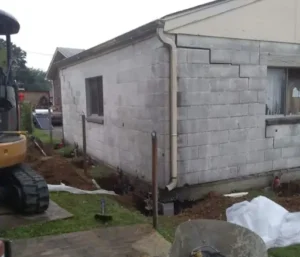
Some warning signs demand immediate attention, while others simply require monitoring. Stair step cracks in brick or block walls, gaps forming between walls and floors, or doors that suddenly refuse to close usually indicate shifting soil or uneven settling. These issues rarely resolve on their own and often worsen over time.
Moisture-related problems also signal the need for evaluation. A crack that stays dry might simply be part of the natural aging process. A crack that becomes wet after a storm, however, tells a different story. Moisture entering through concrete or block walls can weaken the material, raise humidity levels, and eventually invite mold into the home. Learning the difference between minor symptoms and structural warnings helps homeowners act at the right time rather than waiting until problems become more expensive.
Understand the Repair Methods Available
Foundation repair is not a one-size-fits-all process. Each method solves a different type of problem, and the right choice depends entirely on what the inspection reveals.
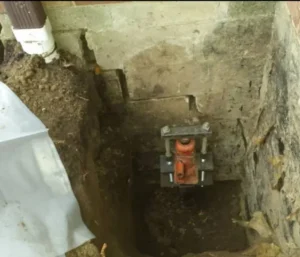
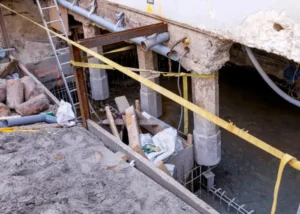
Pier systems are one of the most effective solutions for foundations that have shifted or settled unevenly. These systems transfer the weight of the home to deeper, more stable soil layers. They restore support and prevent further movement.
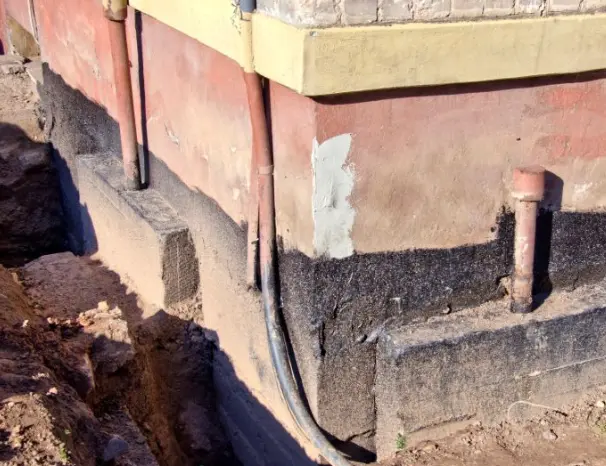
Concrete crack repairs are ideal for homes with specific problem areas but no major structural movement. These repairs seal the entry point and prevent moisture from reaching the interior. While simple, they are effective when matched with the right conditions.
Drainage improvements support long-term stability by redirecting water away from the home. Poor drainage is one of the most common causes of foundation damage. When water pools near the base of the house, the soil expands and contracts, eventually shifting the foundation. Correcting grading, extending gutters, and installing drainage systems help protect the home for years to come.
Consider the Timing and Environment
Foundation repair is possible year-round, but certain times of year offer unique benefits. Dry weather helps reveal existing soil movement without the interference of water pressure. On the other hand, rainy seasons highlight drainage issues that might otherwise go unnoticed. Understanding seasonal factors helps homeowners plan the most efficient time for their project.
Climate also plays a major role. Homes exposed to repeated freeze-thaw cycles experience soil expansion, which puts pressure on the foundation. Properties in areas with heavy rainfall or poor soil drainage require repairs that address water control and structural stability. Knowing how local environmental conditions affect your foundation ensures the repair method chosen will last.
Prepare the Home for the Project
Preparation helps the project run smoothly once the work begins. Clearing both the interior and exterior areas around the foundation provides technicians with proper access. This might mean moving storage items away from basement walls or trimming shrubs positioned too close to the house.
Inside the home, homeowners should expect mild vibrations or noise, depending on the type of repair. While not disruptive for most projects, preparing the area ensures a cleaner and safer work environment. Understanding what to expect removes uncertainty and prevents delays.
Plan for Maintenance After the Repair
Foundation repair is a major step toward protecting your home, but long-term care matters as well. Routine maintenance, such as keeping gutters clean, ensuring proper yard grading, and inspecting for new cracks, helps preserve the repair. Systems such as sump pumps and interior drainage also need periodic checks to confirm they are functioning correctly.
Conclusion
Planning a foundation repair project becomes easier once homeowners understand what to expect. A professional evaluation, awareness of warning signs, knowledge of repair methods, and preparation before the work begins all contribute to a smooth and successful repair. When the chosen method matches the true cause of the problem, the repair remains strong and stable for years. St. Louis Foundation Repair & Waterproofing continues to guide homeowners through this process by providing clear assessments, dependable solutions, and long-term support for lasting structural stability.
Also Read-Why Tech-Savvy Designers Are Turning to Virtual Tools for Better Results