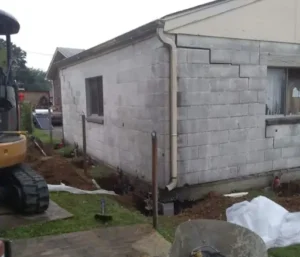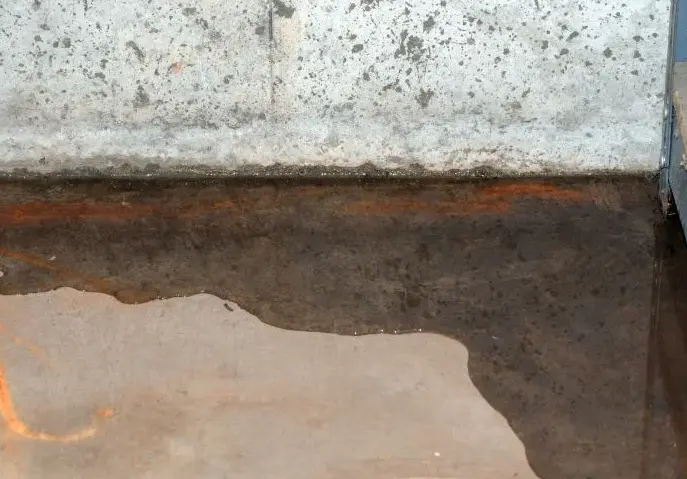
Exterior waterproofing often feels like a mystery to homeowners. Water shows up inside a basement or along an exterior wall, and people start guessing about sealants, coatings, or membranes without knowing which method truly works for their situation. Exterior waterproofing is powerful because it stops moisture at the source rather than treating symptoms from the inside. The key is understanding which techniques offer the best long-term protection and when each one makes sense.
During early research, many homeowners explore services like exterior waterproofing cleveland because every region handles water differently. Soil type, drainage patterns, rainfall intensity, and foundation age all play major roles in determining the most effective method. Matching the right technique to the problem prevents wasted money and avoids moisture returning later.
Exterior Membrane Waterproofing
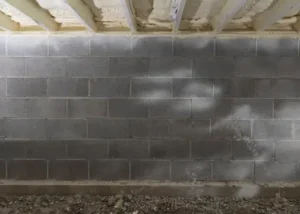
One of the most dependable methods is exterior membrane waterproofing. This approach uses a thick, durable coating or sheet applied directly to the foundation’s exterior. The material forms a continuous barrier that blocks water from penetrating concrete walls. It works well because concrete is naturally porous, so a membrane acts as a shield, keeping moisture out even under heavy pressure.
Membrane waterproofing is ideal when the home has recurring seepage through cracks, porous concrete, or foundation walls that have absorbed moisture over time. It is especially useful for older homes where the original protective layers have worn away. Homeowners choose this method when they want long-lasting protection rather than temporary improvement. This approach becomes even stronger when paired with a proper drainage system around the foundation.
Exterior French Drain Installation
An exterior French drain is one of the most effective tools for redirecting water before it causes trouble. It uses a trench filled with gravel and a perforated pipe to guide water away from the home. This method addresses the root of the problem by controlling water flow around the foundation rather than allowing it to build up.
A French drain is most useful when the yard collects water after heavy rain, when the soil holds moisture for long periods, or when the foundation shows signs of hydrostatic pressure. Homeowners also choose this method when water pools near patios, walkways, or exterior walls. It prevents soil from staying saturated and reduces the risk of cracks forming in the foundation.
Waterproof Coatings for Exterior Walls
Waterproof coatings are often used on the above-ground portions of exterior walls. These products create a water-resistant finish that repels rain, snow, and wind-driven moisture. They are not designed for heavy groundwater pressure, but they are excellent for preventing surface water from seeping through brick, stone, or stucco.
This method works best for minor moisture issues, such as when the exterior walls feel damp after storms or show signs of discoloration. It also benefits homes located in areas with frequent rainfall or wind that pushes water directly onto the structure. Coatings help reduce mold growth and keep exterior walls in better condition over time. Homeowners choose this method when they want a simple and quick solution that improves protection without excavation.
Exterior Drainage Correction
Sometimes, waterproofing success depends less on products and more on how the yard directs water. Exterior drainage correction includes reshaping the soil, improving the slope away from the home, and extending gutters or downspouts. These adjustments help water flow safely into the yard rather than toward the foundation.
This method works well when pooling water appears near exterior walls or when the ground slopes toward the house rather than away from it. It is also helpful for homes with clogged downspouts, short gutters, or heavy roof runoff. Correcting exterior drainage prevents water from overwhelming other waterproofing systems and gives the house a natural defense.
Foundation Crack Repair from the Exterior
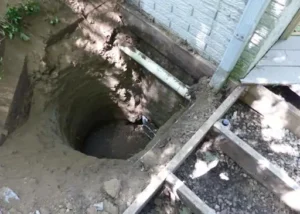
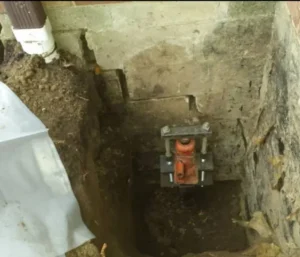
When water enters through specific cracks, exterior crack repair is the most effective approach. Technicians dig down to the crack, clean the area, and apply a waterproof seal or patch. This type of repair keeps moisture from reaching the interior wall and stops seepage at its origin.
Exterior crack repair is ideal when only one section of the foundation is leaking or when the damage is limited to a few visible cracks. It is also a strong option for homes with new cracks caused by soil movement or seasonal expansion. This method provides clear, targeted protection without requiring a full waterproofing system.
When to Choose Each Method
The best method depends on how water is entering the home. Persistent seepage through basement walls usually requires installing a membrane. Water pooling around the foundation or yard calls for a French drain. Moisture creeping in through above-ground walls benefits from waterproof coatings. Poor drainage patterns demand soil grading or gutter extensions. Visible cracks need direct exterior repair.
A home may even require a combination of methods. For example, a membrane paired with a French drain creates a very reliable defense for homes in wet climates. A drainage correction paired with crack repair solves problems caused by runoff and small structural openings.
When Exterior Waterproofing Becomes Necessary
Exterior waterproofing becomes essential when water pressure builds along the foundation, when interior walls begin to show damp spots, or when mold or musty odors appear in the basement. It also becomes necessary when structural signs, such as spalling concrete or widening cracks, begin to appear. Addressing the problem on the outside protects the home more effectively than interior treatments alone.
Conclusion
Exterior waterproofing delivers the strongest results when the chosen method directly addresses the true source of moisture. Whether the issue involves seepage, pooling water, or poor drainage, the correct solution restores stability and prevents long-term structural damage. When homeowners seek dependable exterior protection, Expert Basement Waterproofing Cleveland provides experienced guidance and proven methods to keep properties dry year-round.
Also Read-Why Tech-Savvy Designers Are Turning to Virtual Tools for Better Results