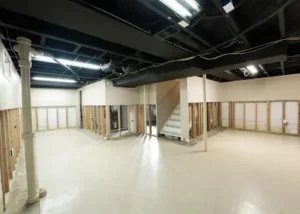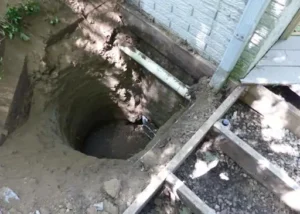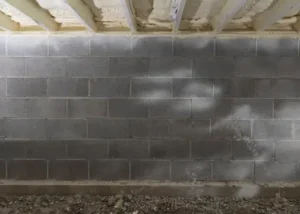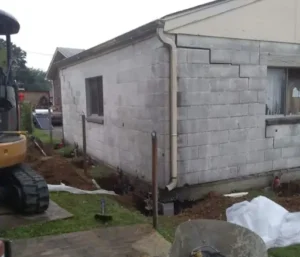
A home’s slab foundation is one of its most critical structural components, providing stability and support for the entire house. Over time, however, slab foundations can develop issues caused by soil movement, water damage, or natural settling. Recognizing early signs of damage and understanding the best repair methods is essential for homeowners who want to protect their property, prevent costly repairs, and maintain the structural integrity of their home.
Working with experienced professionals, such as slab foundation repair austin, ensures that repairs are performed efficiently and correctly, providing long-term stability and peace of mind.
Identifying Slab Foundation Problems
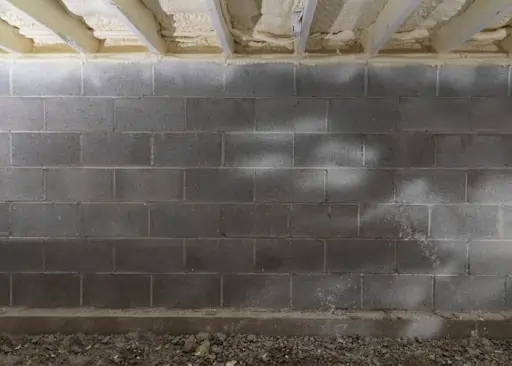
Slab foundations can develop a range of problems, and early detection is critical to prevent major damage. Common warning signs include cracks in the concrete floor or walls, uneven or sloping floors, doors and windows that stick or fail to close properly, gaps between walls and ceilings, and water intrusion in basements.
Even minor cracks should not be ignored. Water can seep through small fissures, leading to mold, mildew, and further structural weakening. Uneven floors and sticking doors are often indicators that the foundation is shifting or settling unevenly, which may require professional evaluation.
Regular observation of your home and monitoring for subtle changes can help catch foundation issues early, preventing them from escalating into more severe structural damage.
Causes of Slab Foundation Damage
Understanding the causes of slab foundation problems helps homeowners prevent future issues. Common causes include:
- Soil movement: Expansive or unstable soil can cause the slab to shift or settle unevenly.
- Water damage: Poor drainage, leaking pipes, or excessive moisture can weaken the concrete and soil beneath it.
- Tree roots: Roots growing under the slab can exert pressure and cause cracking.
- Poor construction: Slabs that were improperly installed or cured may settle or crack over time.
By understanding these factors, homeowners can implement preventative measures, such as controlling moisture levels around the home, avoiding planting large trees near the foundation, and ensuring proper grading around the property.
Slab Foundation Repair Methods
Professional contractors employ several repair techniques depending on the type and severity of damage. Common methods include:
- Slab jacking: Pumping a mixture of grout or polyurethane beneath the slab to lift and level it. This method is effective for minor settling or uneven floors.
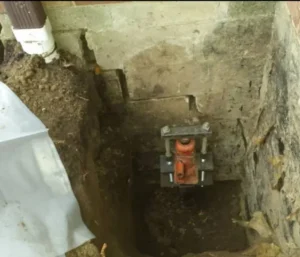
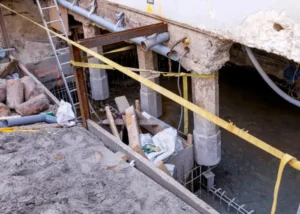
- Pier installation: Steel or concrete piers are placed under sinking areas to provide permanent support and stabilization.
- Crack repair: Epoxy or polyurethane injections seal cracks to prevent water infiltration and further deterioration.
- Waterproofing: Exterior or interior waterproofing reduces hydrostatic pressure, protecting the slab and surrounding soil.
Timing and Considerations
The timing of slab foundation repair can significantly impact both cost and effectiveness. Repairs are usually best performed during dry periods when soil conditions are stable. Performing repairs during unstable or wet conditions can increase the risk of further settling or shifting.
Homeowners should also consider long-term maintenance, including proper drainage, monitoring for new cracks, and avoiding heavy loads near vulnerable areas. Hiring an experienced team ensures that all repairs meet local building codes and are executed using high-quality materials, which reduces the likelihood of recurring problems.
Financing and Insurance
Slab foundation repair can be expensive, and homeowners often wonder whether insurance will cover it. Standard homeowners’ insurance usually does not cover damage caused by gradual settling or normal wear and tear. However, sudden events such as flooding or sewer backups may be covered under certain policies.
For repairs not covered by insurance, homeowners can explore financing options such as home improvement loans, personal loans, or payment plans offered by contractors. Understanding insurance limitations and available financial options allows homeowners to plan effectively, avoid unexpected costs, and ensure timely repair.
Preventative Measures
Once slab foundation repair is completed, ongoing maintenance becomes a critical part of protecting your home’s structural integrity. Homeowners should regularly inspect their property for new cracks, signs of water intrusion, or uneven settling, as even small changes can indicate emerging problems. Early detection allows for minor repairs before issues escalate into costly or extensive damage.
Proper drainage around the home is one of the most important preventative steps. Gutters, downspouts, and grading should direct water away from the foundation to prevent soil erosion and hydrostatic pressure, which can compromise the slab over time. Moisture control is equally important, as excessive water in the soil can lead to shifting, settling, or swelling of expansive soils, all of which place stress on the foundation. Installing and maintaining French drains or other drainage systems may be necessary in areas prone to standing water or heavy rainfall.
Landscaping choices also play a role in maintaining a stable foundation. Avoid planting large trees or shrubs close to the slab, as roots can grow under the concrete and exert pressure, causing cracks or uneven settling. Similarly, refrain from placing heavy equipment, vehicles, or structures near vulnerable areas of the foundation, as added weight can exacerbate weak spots.
Conclusion
Slab foundation repair is a vital investment in a home’s long-term safety and value. Recognizing early warning signs, understanding the causes of damage, and selecting the right repair methods ensure effective results.
The team at Total Foundation Repair Austin provides comprehensive services to stabilize and restore slab foundations, giving homeowners confidence in the durability and structural integrity of their property.
7 Proven Strategies to Grow a Podcast Audience – Croudmomentum.com
Responsible Slots: Tools and Strategies for Maintaining Control – Croudmomentum.com