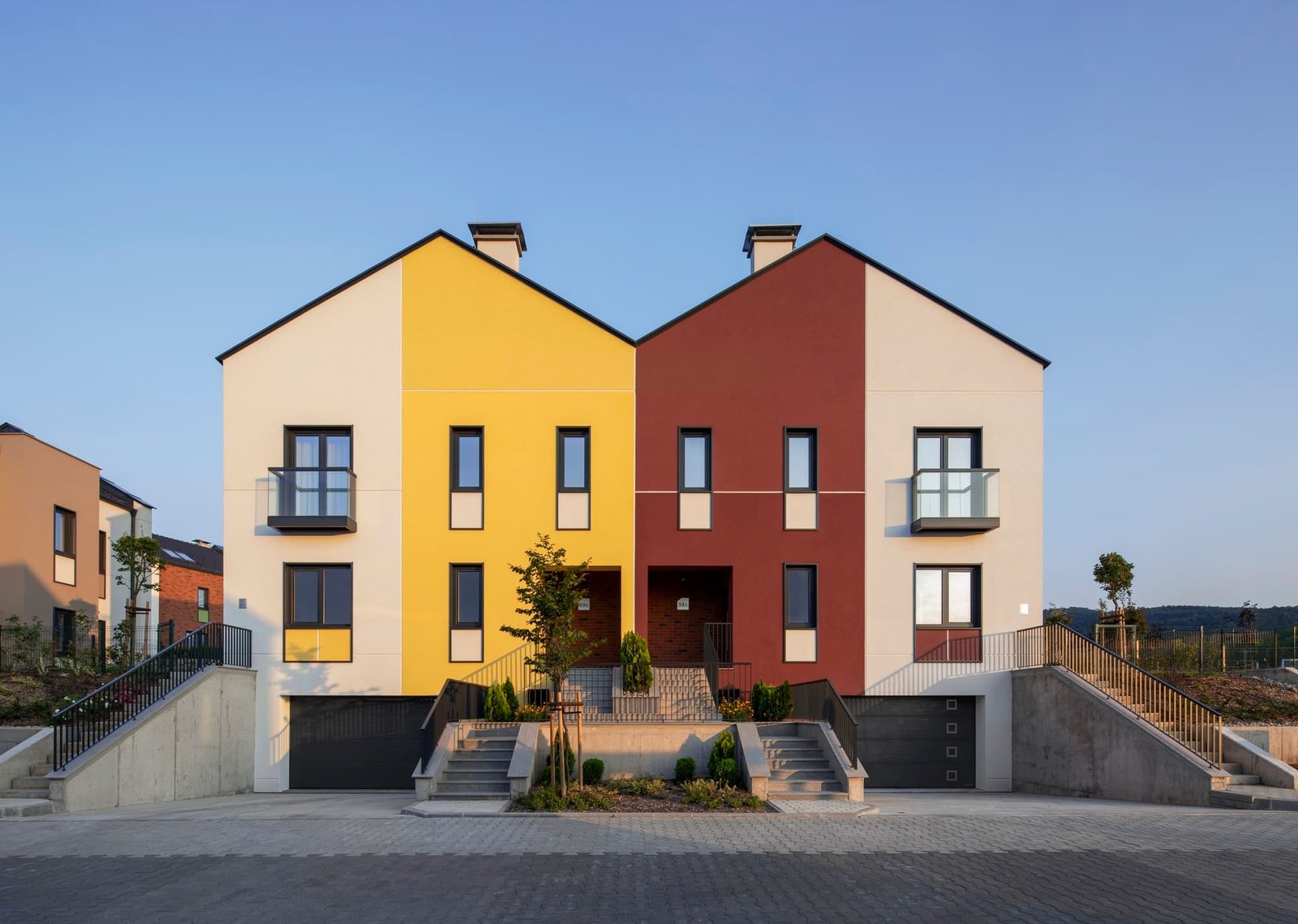
Creating residential spaces that foster a sense of community is essential for enhancing social connections and improving the quality of life for residents. Innovative design strategies can transform living environments into vibrant, inclusive, and interactive spaces.
Shared Green Spaces
Integrating shared green spaces within residential areas encourages social interaction and fosters a sense of community. These communal areas, often referred to as community greens, provide residents with opportunities for recreation, gardening, and leisure activities. John Picerne has emphasized the importance of transforming underutilized spaces, such as vacant lots or alleyways, into communal gardens or parks, as a way to enhance urban vitality and promote overall well-being. By implementing these ideas, neighborhoods can significantly benefit from increased social cohesion and improved quality of life.
Flexible Housing Designs
Designing homes with adaptable layouts allows residents to modify their living spaces according to changing needs. Open-plan living areas, movable partitions, and multi-functional rooms enable households to customize their environments, promoting a sense of ownership and community cohesion. For instance, incorporating modular and prefabricated construction techniques can expedite building processes and reduce costs, making quality housing more accessible to diverse communities.
Technology Integration
Incorporating technology into residential design enhances connectivity and facilitates community building. High-speed Wi-Fi in common areas, digital messaging boards, and mobile apps streamline communication among residents. Smart lighting and security systems improve safety and functionality, while digital tools support real-time community engagement. These innovations create agile and adaptive living environments that foster genuine social interaction, both online and offline.
Adaptive Reuse of Structures
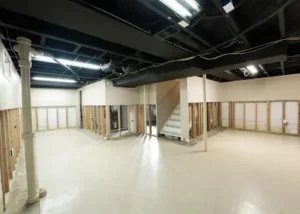
Repurposing existing structures into residential spaces addresses housing shortages and revitalizes neighborhoods. Adaptive reuse involves transforming underutilized buildings, such as old factories or office spaces, into housing units. This approach not only preserves architectural heritage but also promotes sustainability by reducing the need for new construction materials. Successful examples include converting former industrial buildings into stylish loft apartments, blending historic charm with modern amenities.
Universal Design Principles
Implementing universal design principles ensures that residential spaces are accessible and inclusive for individuals of all ages and abilities. Features like wider doorways, no-step entries, and lever-style door handles accommodate residents with mobility impairments, fostering a sense of belonging and independence. By removing physical barriers, universal design enriches the community fabric, enabling everyone to engage with their surroundings and one another fully.
Placemaking Strategies
Placemaking is a user-centric approach to planning, designing, and managing public spaces. It aims to promote health, well-being, and happiness by capitalizing on local assets and resources to strengthen communities. By focusing on the needs of the people who live, work, and play in a space, placemaking transforms disconnected neighborhoods into resilient, thriving communities. This approach bridges the gap between individuals and public spaces, encouraging greater social interaction and fostering healthier relationships.
Conclusion
Innovative residential design approaches that prioritize shared spaces, flexibility, technology integration, adaptive reuse, universal design, and placemaking strategies can significantly strengthen community bonds. By creating environments that encourage interaction and inclusivity, these designs contribute to the development of vibrant, cohesive, and resilient neighborhoods.
Also Read-Smart Tips for Budget-Friendly Home Improvement Projects