Foundation leaks are a serious concern for homeowners. Water infiltration can weaken structural integrity, cause mold growth, and lead to costly repairs if not addressed promptly. Understanding how to identify and perform foundation leak repair early is essential to protecting your home and preventing long-term damage
Working with professionals in basement and foundation repair st louis can help homeowners detect leaks accurately, recommend the most effective repair methods, and ensure the work is completed safely and efficiently.
Identifying Foundation Leaks
Foundation leaks often start small but can escalate quickly if left untreated. Early detection is critical to prevent structural problems and water damage in basements or crawl spaces. Common signs of foundation leaks include:
- Water stains or damp walls: Visible water stains, dampness, or discoloration on walls or floors may indicate a leak in the foundation.
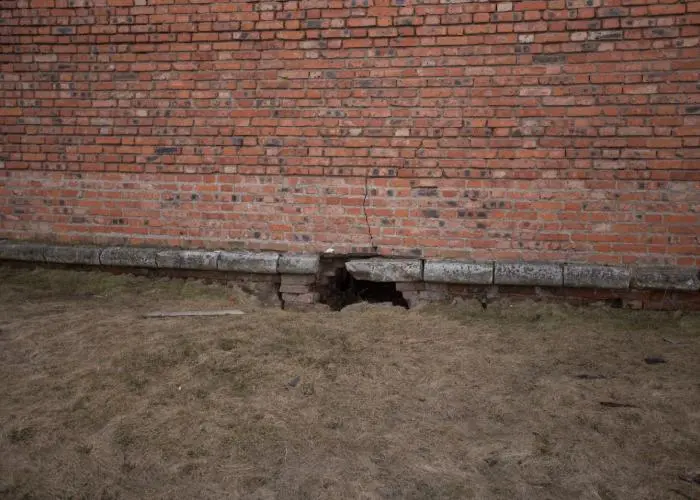
- Cracks in the foundation or walls: Horizontal, vertical, or stair-step cracks in walls or foundation can allow water to seep in.
- Musty odors or mold growth: Persistent odors or visible mold are strong indicators that moisture is entering the foundation.
- Pooling water or wet spots: Water collecting near the foundation exterior or interior may signal leaks requiring immediate attention.
- Warped floors or doors: Uneven floors, sticking doors, or windows that do not close properly may indicate foundation shifting due to water damage.
Regular inspections, particularly after heavy rains or seasonal changes, help homeowners detect leaks before they escalate. For complex foundation systems or large properties, a professional assessment is recommended to ensure hidden leaks are not missed.
Causes of Foundation Leaks
Understanding the causes of foundation leaks is key to implementing effective repair strategies. Common causes include:
- Soil movement: Expansive clay soils or soil erosion around the foundation can create gaps or cracks that allow water to penetrate.
- Poor drainage: Water pooling near the foundation due to inadequate grading, clogged gutters, or downspout issues can lead to leaks.
- Plumbing problems: Leaks from pipes or sewage lines running under the slab or near the foundation can cause persistent water issues.
- Hydrostatic pressure: Excess water in the surrounding soil can push against foundation walls, forcing water through cracks or joints.
Addressing both the symptoms and underlying causes ensures long-term protection and reduces the risk of recurring leaks.
Methods for Foundation Leak Repair
Several methods are effective for foundation leak repair, depending on the severity and type of leak:
- Crack injection: Epoxy or polyurethane injections seal cracks in the foundation, preventing water infiltration and restoring structural integrity.
- Exterior waterproofing: Excavating around the foundation and applying waterproof membranes or coatings stops water from entering the basement or crawl space.
- Interior drainage systems: Installing interior drains, sump pumps, or French drains directs water away from the foundation, preventing accumulation and damage.
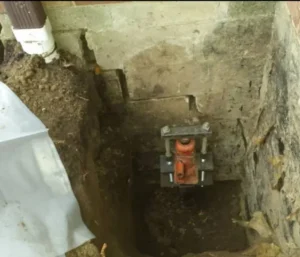
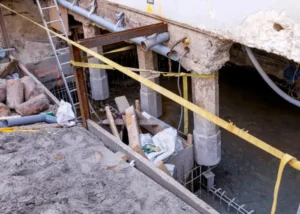
- Foundation underpinning: In severe cases, stabilizing or reinforcing the foundation may be necessary to address structural issues caused by persistent leaks.
Professional evaluation ensures the correct method is chosen for each situation, providing both immediate and long-lasting protection.
Costs and Considerations
The cost of foundation leak repair varies depending on the size of the property, the extent of the damage, and the method used. Minor crack injections are usually less expensive, while exterior waterproofing and extensive underpinning projects require a larger investment. While the upfront costs may seem high, addressing foundation leaks early prevents more significant damage, reduces long-term repair expenses, and protects the home’s value.
Homeowners should also consider timing. Performing repairs during dry seasons can reduce complications related to soil moisture, make excavation easier, and allow for faster curing of materials. Obtaining necessary permits and complying with local building codes is another important consideration when planning repairs.
Preventing Future Leaks
After completing foundation leak repair, ongoing maintenance is essential to prevent future issues. Proper drainage around the home, routine inspections, and monitoring for new cracks or water infiltration help keep the foundation secure. Ensuring gutters and downspouts direct water away from the home and controlling landscaping near the foundation further reduces the risk of leaks.
Regular inspection and maintenance by experienced professionals allows homeowners to detect minor issues before they escalate, saving both money and stress. Preventative measures, combined with timely repair, extend the life of the foundation and protect the home from structural and water damage.
Conclusion
Foundation leaks can threaten the safety, stability, and value of a home if not addressed promptly. Recognizing early signs, understanding the causes, and implementing proper foundation leak repair methods are essential for preventing serious damage. While minor leaks can sometimes be addressed with simple solutions, professional services ensure comprehensive repair and long-term protection.
For expert assessment, reliable repair, and peace of mind, basement and foundation repair st louis offers thorough solutions tailored to each property. St. Louis Foundation Repair & Waterproofing provides professional foundation leak repair services that protect homes, maintain structural integrity, and prevent water damage for years to come.
Also Read-Innovative Ways to Boost Your Home’s Energy Efficiency With Modern Windows