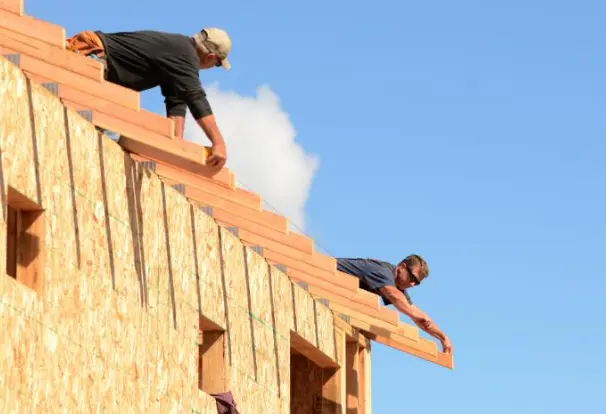
Replacing a roof feels like a big project, and in many ways it is. The roof protects the entire home, so the process involves careful planning, skilled installation, and a few temporary inconveniences. Homeowners often worry about noise, cleanup, and how long the work will take. Understanding each step ahead of time helps everything feel smoother and less overwhelming.
The timeline for replacing a roof depends on the size of the home, the roofing material, and the condition of the existing structure. Some roofs are completed in a single day, while others take several days from preparation to final inspection. The more you know before the work begins, the easier it is to plan around the project.
Many homeowners start with trusted local companies, such as roofing quincy ma when preparing for a replacement. A reliable contractor explains the timeline, the materials needed, and any structural concerns that may affect the job. Choosing the right professional makes a major difference in how the entire project unfolds.
The first step in any commercial roofing replacement is a thorough inspection. A roofing specialist examines the existing membrane or shingles, flashing, decking, drainage systems, and ventilation. They look for signs of moisture intrusion, insulation damage, soft decking, or structural concerns that could expand the scope of work. For commercial roofing projects, this inspection is critical because hidden issues can affect large sections of the building.
Once the inspection is complete, the contractor provides a written estimate. This includes material costs, labor, disposal, and any recommended upgrades such as improved drainage, insulation, or waterproof barriers. The forecast also outlines the projected timeline so property owners and facility managers can plan operations accordingly.
Preparing the Property for Installation
Before work begins, the crew prepares the building and surrounding areas. Safety barriers are installed, equipment staging areas are designated, and access points are coordinated to minimize disruption. For commercial roofing projects, this often involves communicating with tenants, staff, or customers to ensure safe entry and exit during the workday.
Interior areas directly below the roof may also be prepared if vibrations or overhead work could impact operations. Proper preparation keeps the project organized and reduces unexpected interruptions once installation starts.
Removing the Old Roofing Material
The first major phase of installation involves removing the existing commercial roofing system. Crews use specialized tools to strip the roof down to the decking or substrate. This stage can be loud and labor-intensive, but experienced teams move efficiently to keep the schedule on track.
Once removal is complete, the decking is inspected again. Any compromised sections are repaired or replaced to provide a solid foundation for the new roofing system. This step is essential for long-term performance and warranty compliance.
Installing the Underlayment and Waterproof Barriers
After the roof deck is ready, underlayment and waterproof barriers are installed. These layers protect the building from moisture intrusion and create separation between the deck and the final roofing material. Areas such as seams, penetrations, edges, and drainage points receive additional protection.
In commercial roofing systems, proper waterproofing is crucial for preventing leaks that could disrupt business operations or damage inventory and equipment.
Installing the New Roofing System
Once the base layers are complete, the crew installs the new commercial roofing material. Depending on the building, this may include TPO, EPDM, modified bitumen, metal panels, or other commercial-grade systems. Installation time varies based on material type and roof size.
Crews closely follow manufacturer specifications, working in sections to ensure proper adhesion, sealing, and drainage. Precision at this stage determines how well the roof performs under heavy rain, during temperature changes, and over the long term.
Cleanup and Final Inspection
After installation, the crew performs a full site cleanup. Debris is removed, walkways are cleared, and surrounding areas are checked for loose materials. A clean job site reflects professionalism and reduces liability concerns for commercial properties.
A final inspection is conducted to confirm that the commercial roofing system meets safety standards and manufacturer requirements. The contractor reviews the completed work, explains warranty coverage, and answers any remaining questions.
How long does the Process Usually Take?
Most commercial roofing replacements take several days, though timelines vary based on building size, roof complexity, and material type. Smaller commercial buildings may be completed quickly, while larger facilities or multi-section roofs take longer.
Weather conditions also affect scheduling. Roofing crews avoid rain and high winds to ensure materials seal properly. Reliable contractors communicate clearly about progress and any necessary schedule adjustments.
What Property Owners Should Expect During the Project
Noise and rooftop activity are normal during commercial roofing projects. Businesses may hear consistent sounds during work hours, and some areas may experience light vibrations. These conditions are temporary and expected.
Clear communication from the contractor helps businesses plan around the loudest phases and maintain daily operations as smoothly as possible.
Conclusion
Replacing a commercial roof is a significant investment, but understanding the process removes uncertainty and stress. With proper planning, experienced contractors, and clear communication, commercial roofing projects move efficiently from inspection to final approval. A well-installed roof protects the building, supports daily operations, and delivers long-term reliability. Quincy Roofing Pros continues to guide property owners through every phase of commercial roofing replacement, delivering dependable workmanship and results built to last.
Also Read
- Key Considerations When Touring a Home
- Top Memorial Quotes for Celebrating Life and Legacy
- 7 Online Casino Features That Make Gambling More Fun at Home
