Windows play a bigger role in a home’s comfort and efficiency than most people realize. They let in light, protect against the weather, and influence how hard the heating and cooling system works throughout the year. Over time, though, windows lose strength and efficiency, and small issues begin to appear. The question homeowners often face is whether a repair is enough or if replacement is the smarter long-term decisionMany people begin exploring options like window replacement mckinney tx when their windows start showing signs of wear. Age, energy loss, drafts, and repeated repairs eventually point to the same conclusion. Every window has a lifespan, and knowing when that lifespan is nearing its end helps homeowners save money and avoid larger problems later.
How Long Windows Typically Last
Most modern windows last between fifteen and twenty-five years, depending on the materials and how well they were installed. Vinyl windows tend to last toward the higher end of that range because the material does not rot or warp easily. Wood windows can last a long time, but they require more upkeep. Without proper maintenance, the wood can swell, crack, or deteriorate sooner than expected.
Aluminum windows usually fall somewhere in the middle. They hold up well against the weather, but they conduct heat more readily, which can lead to energy loss over time. Fiberglass windows are extremely durable and often last longer than other types, but they are less common due to their higher price.
While these are general guidelines, the real lifespan depends on climate, sun exposure, and how often the windows have been repaired in the past. A home in a harsh winter, strong winds, or intense sun may see windows age faster than those in a milder environment.
Signs That Window Repairs Might Still Work
Not every problem requires full replacement. Some windows develop minor issues that can be repaired without replacing the entire unit. Warped weatherstripping, minor fogging, or loose hardware are often simple fixes. These repairs help extend the window’s life and improve comfort without the cost of installing new ones.
If the frame is still solid and the window opens and closes smoothly, repair may be a practical choice. Minor drafts can often be corrected by sealing gaps or tightening the hardware. Glass can also be replaced without removing the frame when the rest of the window is still in good shape.
However, these repairs only make sense when the window is structurally sound. If the frame is soft, cracked, or bent, repairs will not solve the underlying problem.
When Replacement Becomes the Better Option
Window replacement becomes the smarter long-term choice once repairs become frequent or no longer fix the real issue. One of the most common signs is recurring condensation between the panes of glass. This means the seal has failed and the insulating layer no longer works. Once this happens, the window becomes inefficient and will not recover, even with repairs.
Another sign is persistent drafts. If air continues to leak around the frame despite multiple attempts to seal it, the window is no longer fitting properly. The frame may have shifted or the material may have weakened beyond repair. In these cases, replacement restores energy efficiency and comfort.
Windows that refuse to open or close smoothly or require significant force to operate are also good candidates for replacement. A stuck window is often a sign of swelling, warping, or damage within the frame. These issues tend to worsen over time, making the home less safe in an emergency.
Visible damage is another clear indicator. Cracked frames, rotting wood, and soft spots around the window reveal that moisture has already penetrated the structure. Once water enters, it spreads to the surrounding materials. At that point, replacing the window prevents further damage to the wall.
How Replacement Saves Money Over Time
Although replacement has a higher upfront cost compared to repair, it often pays for itself in long-term savings. Older windows struggle to maintain indoor temperatures, forcing the heating and cooling system to work harder. New windows provide stronger insulation, reduce air leakage, and improve energy efficiency.
Replacement also reduces ongoing repair costs. Homeowners who repeatedly repair the same problems often spend more on small fixes than they would on a new window. The costs of labor, materials, and ongoing maintenance add up quickly.
New windows also increase comfort. Rooms feel more stable in temperature, drafts disappear, and outdoor noise decreases. Homes with older windows often suffer from inconsistent temperatures throughout the day. Replacement restores balance and makes the home more pleasant year-round.
The Best Time of Year to Replace Windows
Replacement can happen at any time of year, but many professionals recommend scheduling it during mild seasons. Spring and fall offer comfortable temperatures that help the installation process move smoothly. Summer and winter installations are possible, but extreme temperatures can cause brief discomfort during the removal of the old windows.
What to Expect During Replacement
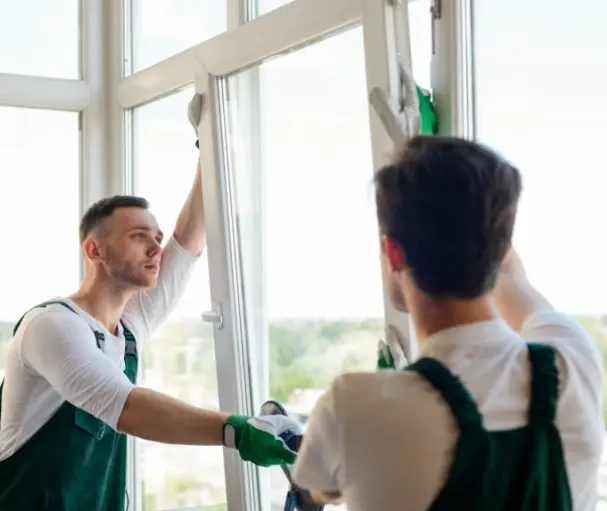
The process begins with a professional inspection. The installer evaluates each window, inspects the frame, and recommends the appropriate replacement based on age, style, and structural condition. During installation, the old window is removed carefully to avoid damaging the surrounding wall. The new window is fitted tightly, sealed, and aligned to ensure smooth operation.
Conclusion
Understanding how long windows last and recognizing when replacement becomes the smarter investment helps homeowners make decisions with confidence. A well-timed replacement improves comfort, increases efficiency, and prevents the long-term issues that come from aging or damaged frames. When repairs are no longer enough or the signs of wear keep returning, choosing a full upgrade protects both the home and its value. McKinney Home Window Replacement continues to support homeowners through this process by offering clear guidance, professional inspections, and reliable solutions that keep homes comfortable year-round.
Also Read-Key Considerations When Touring a Home
